Can Scammers Spoof Your Bank’s Phone Number?
Yes. Scammers can spoof your bank’s phone number, making an incoming call display the bank’s real name and number. Caller ID can wear a convincing costume.
If an unexpected caller says your account is at risk, end the call. Contact your bank through its established app or the number on your card or statement before sharing information or moving money.
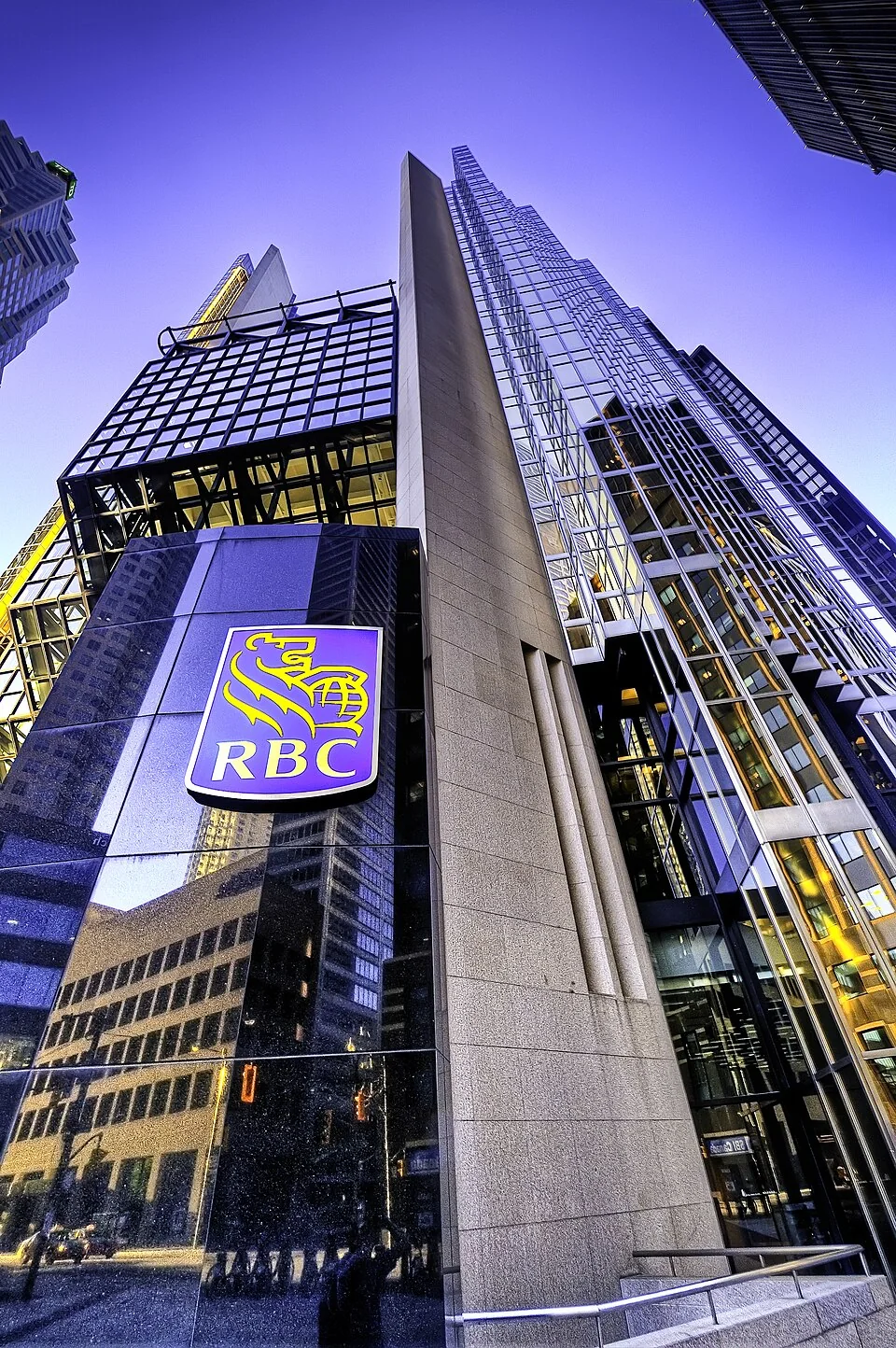
Royal Bank Plaza in Toronto, photographed on 6 August 2012. Illustrative photograph.
Photo: Francisco Diez, Royal Bank Plaza, Toronto, Canada, Wikimedia Commons. CC BY 2.0. Resized and compressed; not cropped.

Three things to remember
- A familiar number does not authenticate the person speaking.
- A genuine bank security code can be part of an impostor’s request.
- Check the specific request through a contact route you choose independently.
What can happen when a familiar number earns your trust
A matching bank number is insufficient to authenticate an incoming call. Caller ID can be altered. The display does not establish who controls the conversation. In a February 2026 Nanaimo RCMP report, a resident received calls and texts they believed came from RBC and provided personal information. Police said scammers used that information to access the accounts and complete fraudulent transactions; the reported loss was approximately $24,000. Recognizing the apparent bank number did not prevent the loss in that incident. Before responding to an unexpected request, establish contact with the bank independently.
Why a real bank code can help a fake caller
Keep login and transaction codes private during an unexpected call. A bank can send a genuine code because someone is attempting to access your account. Its arrival does not authenticate the person speaking to you. Hypothetical example: a caller says reading out a code will cancel a suspicious payment, but the code actually completes the caller’s attempted login. In this illustration, sharing it lets that login proceed while the customer believes they are stopping fraud. The Canadian Anti-Fraud Centre describes this code-theft mechanism, which is why an unexpected request for a code deserves an independent check.
How to check an unexpected bank call
The following worked example is hypothetical, not a reported customer incident: a caller claims your card has a suspicious charge and asks for a security code. Here is how to check that claim.
1. End the incoming conversation
You can take the warning seriously without continuing the call. Staying connected lets the caller keep directing the conversation. A genuine alert can be checked after reconnecting independently. In this example, say, “I’ll contact the bank through the number on my card and check this directly,” then hang up without sharing the code. The immediate result is a pause in the request, giving you room to check it. That follows the FTC’s advice for unexpected financial calls: get basic details, end the call and contact the organization yourself.
2. Choose the contact route yourself
Use contact details you trusted before the call. The number on your card or statement and support inside your established banking app are practical starting points. In Canada, the Anti-Fraud Centre recommends a different phone if possible, or waiting 10 minutes before making the outgoing call. If the caller texts a “fraud department” number, set it aside and use your existing records instead; this avoids following a route the caller supplied. The FTC also warns that scammers buy search ads for fake support numbers, so the first search result is not a substitute for checking the source.
3. Ask the bank to check the actual claim
Describe the alleged charge and what the caller wanted you to do. A name, department or reference number can help explain the incident, but it does not authenticate the original caller. Ask about the amount, timing and action requested. In this hypothetical example, the independently contacted bank checks the account, finds no such charge and advises against sharing the code. You keep the code private and make no transfer, so the requested action never happens. That is a successful interruption of this particular request; the bank can still review the account for other concerns.
What to check when the caller sounds convincing
| Convincing detail | Practical response |
|---|---|
| They know your name or address | Treat it as information they possess, not proof of bank employment. |
| They give an employee name or case number | Ask the bank about it through your independently chosen contact route. |
| A security text arrives during the call | Read its purpose carefully; do not relay its code to the unexpected caller. |
| They ask you to move money to “protect it” | Stop the transfer request and check directly with your bank. |
What to do if you already shared information or money
Report suspected exposure promptly, even if you do not understand the whole scheme yet. Your bank needs to know what was disclosed, approved or transferred. The next steps depend on what was exposed. In an April 2025 UK police warning, officers reported that early reports had enabled interventions and recovery of money for return to victims. They also warned that those outcomes were not always possible. Report quickly, but do not assume a payment can be recovered.
Tell your bank exactly what happened, then work through the relevant actions:
- Ask whether affected payments can be stopped or reversed.
- Secure compromised accounts and change reused passwords elsewhere.
- Disclose any remote access you granted and get help securing that device.
- Keep messages, call times, displayed numbers and payment details.
The FTC’s recovery checklist separates actions by payment method and information exposure. In Canada, report fraud to local police and the Canadian Anti-Fraud Centre. In the US, report it through ReportFraud.ftc.gov.
Where Gemisis fits
Confirming a message’s origin does not by itself approve a payment. Gemisis’s trust model describes comparing a specific communication with a registered outgoing record linked to its sender in supported workflows. Payment approval still follows the organization’s own controls. For example, you receive a payment message and the check finds matching registered sender-side evidence. Its origin is confirmed, while the payment still needs appropriate authorization checks. Coverage depends on the integration and available evidence; a missing match remains unconfirmed and does not prove fraud. You can still use an independent callback with contact details you already hold.
For related requests at work, see our guides to vendor impersonation in Canada and business email compromise in the US.
Frequently asked questions
Do banks ever call about suspicious activity?
Yes. You can end an unexpected call and check the alleged activity through your bank’s established contact channels.
Does a matching number mean the bank was hacked?
Not necessarily. Caller-ID spoofing can display a bank’s number without a compromise of its phone line.
What if the caller knows my name and card details?
Some information may be public or stolen. Partial details do not authenticate a caller; check independently before disclosing anything else.
Should I redial the number in my call history?
Use your card, statement or established banking app instead. Avoid relying on contact information attached to the incoming call.
Does a genuine bank text make the call genuine?
No. Someone attempting account access can trigger a real authentication message. Its code does not identify the person speaking to you.
What if there really is fraud and I hang up?
Contact the bank promptly through a trusted route. You can investigate a real alert without continuing an unverified conversation.